
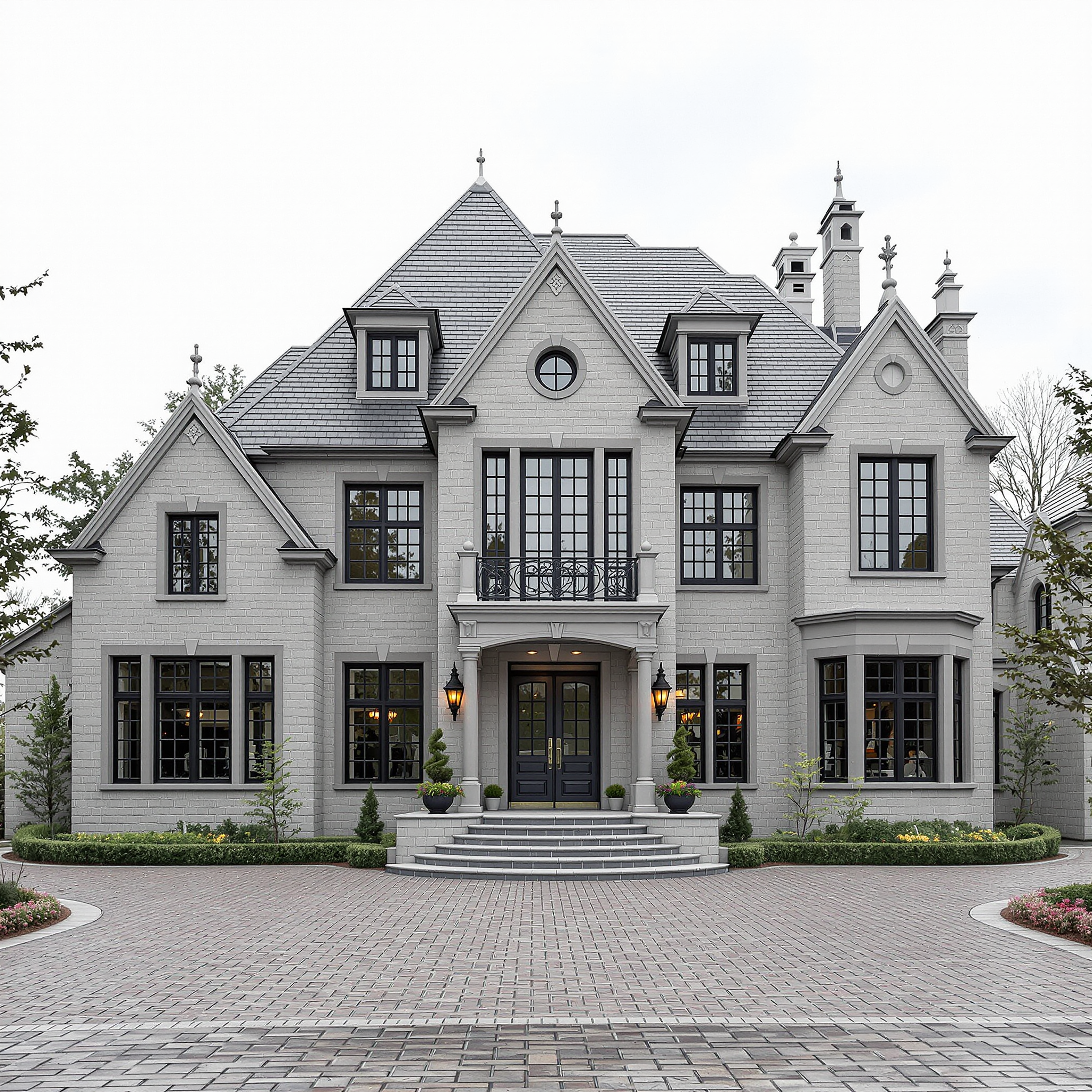
For many homeowners, building on your own lot is the ultimate dream—a custom home, on your own piece of land, designed to fit your lifestyle and vision. At first glance, it seems like a perfect path to homeownership. But while it can be incredibly rewarding, the process is also fraught with challenges if not approached carefully.
As a custom home builder with decades of experience, we’ve seen it all—both the excitement of dreams coming to life and the frustration that comes from missteps. Here’s what every homeowner should know before building on their own lot.
1. Hidden Site Costs
Buying land doesn’t mean it’s ready to build on. Many lots require:
- Tree removal or grading
- Utility connections (water, sewer, electric, gas)
- Soil testing and environmental reports
- Stormwater management or retaining walls
These costs can run into the tens of thousands and catch homeowners off guard if not anticipated early.
2. Zoning and Permitting Surprises
Zoning regulations vary by town and county, and they dictate:
- How close you can build to the property lines
- How tall your home can be
- What kind of structures you can include (pools, detached garages, etc.)
Failing to research this before designing your home can lead to costly redesigns or even permit denials.
3. Inaccurate or Incomplete Plans
Many homeowners hire an architect independently, only to discover later that the plans don’t match the actual site conditions or town requirements. The result?
- Budget overruns
- Delays in permitting
- Builder change orders (and the stress that comes with them)
Always ensure your plans are site-specific and reviewed by a builder before you submit for permits.
4. Unrealistic Budgets
TV shows and internet estimates can create false expectations. A “$250 per square foot” build rarely includes:
- Land preparation
- Driveway and landscaping
- Well/septic systems
- Custom upgrades
- Soft costs (architectural, engineering, permits)
A detailed budget should be built with your contractor from the beginning—otherwise, the project can quickly spiral out of control.
5. Choosing the Wrong Builder
This is where many self-lot builders get burned. Choosing the lowest bidder often means:
- Corners are cut
- Communication is poor
- Timelines are missed
- Quality suffers
Look for a licensed, insured, and experienced custom builder who works regularly in your area and understands how to work with township officials, inspectors, and engineers.
6. Timeline Disruptions
Custom homes take time—especially when you’re starting from scratch on undeveloped land. Homeowners often underestimate how long it takes to:
- Get permits
- Address township engineering comments
- Complete construction through winter months
Planning for flexibility in your timeline will save stress later.
7. Project Management Overload
When you build on your own lot, you become an essential part of the project team—especially if you’re not using a design-build contractor. You’ll be responsible for:
- Coordinating between architect, builder, engineer, and township
- Making dozens (if not hundreds) of design decisions
- Responding to permit or inspection requests
This can be overwhelming for those without construction experience. A seasoned builder can take this burden off your shoulders.
Take the Next Step Toward Your Custom Home
Building on your own lot can be one of the most rewarding paths to homeownership—but it demands careful planning, the right professionals, and a realistic view of the process.
If you’re ready to get started or want expert guidance, Deerpath Custom Builders is here to help. We specialize in custom home projects from the ground up, offering hands-on support from lot evaluation to final inspection.